
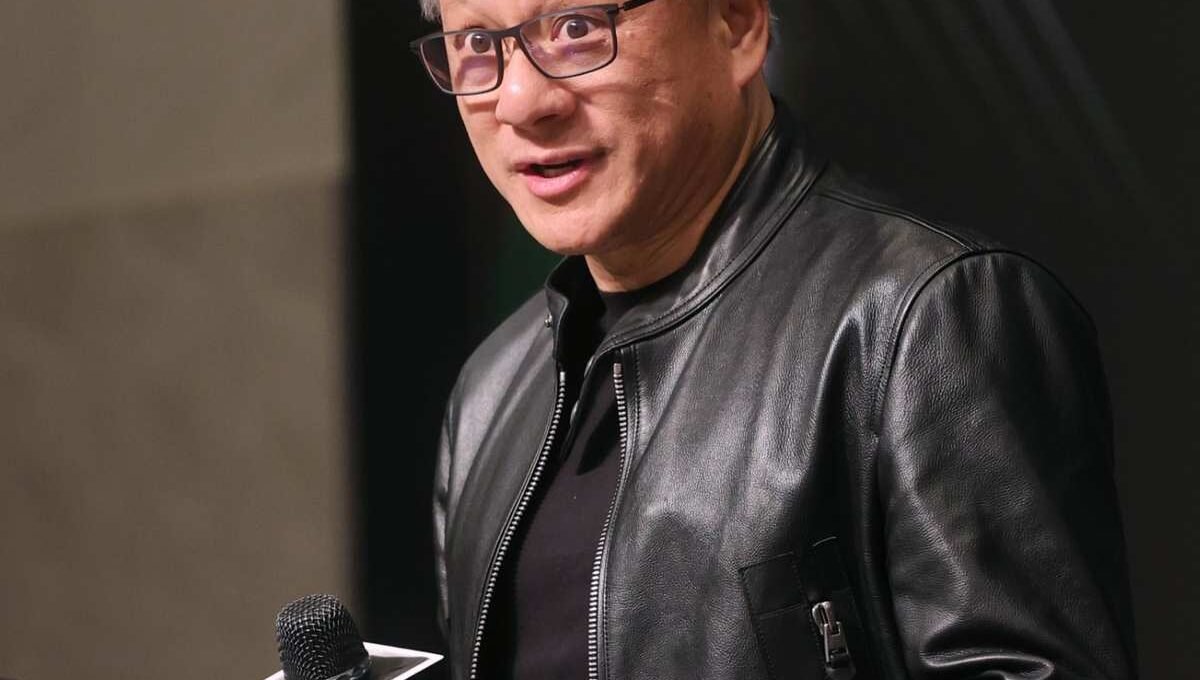

Jensen Huang apologizes to Nvidia employees and says he is in therapy—remarks delivered in an all-hands meeting on November 24, 2026, one day after Nvidia reinstated him as CEO. For professionals watching AI leadership, culture, and corporate accountability, this is the human side of a two-week governance crisis.
This guide summarizes what Huang said (per major news outlets that reviewed the meeting), why the apology matters for employee trust, and the practical leadership lessons for managers worldwide.
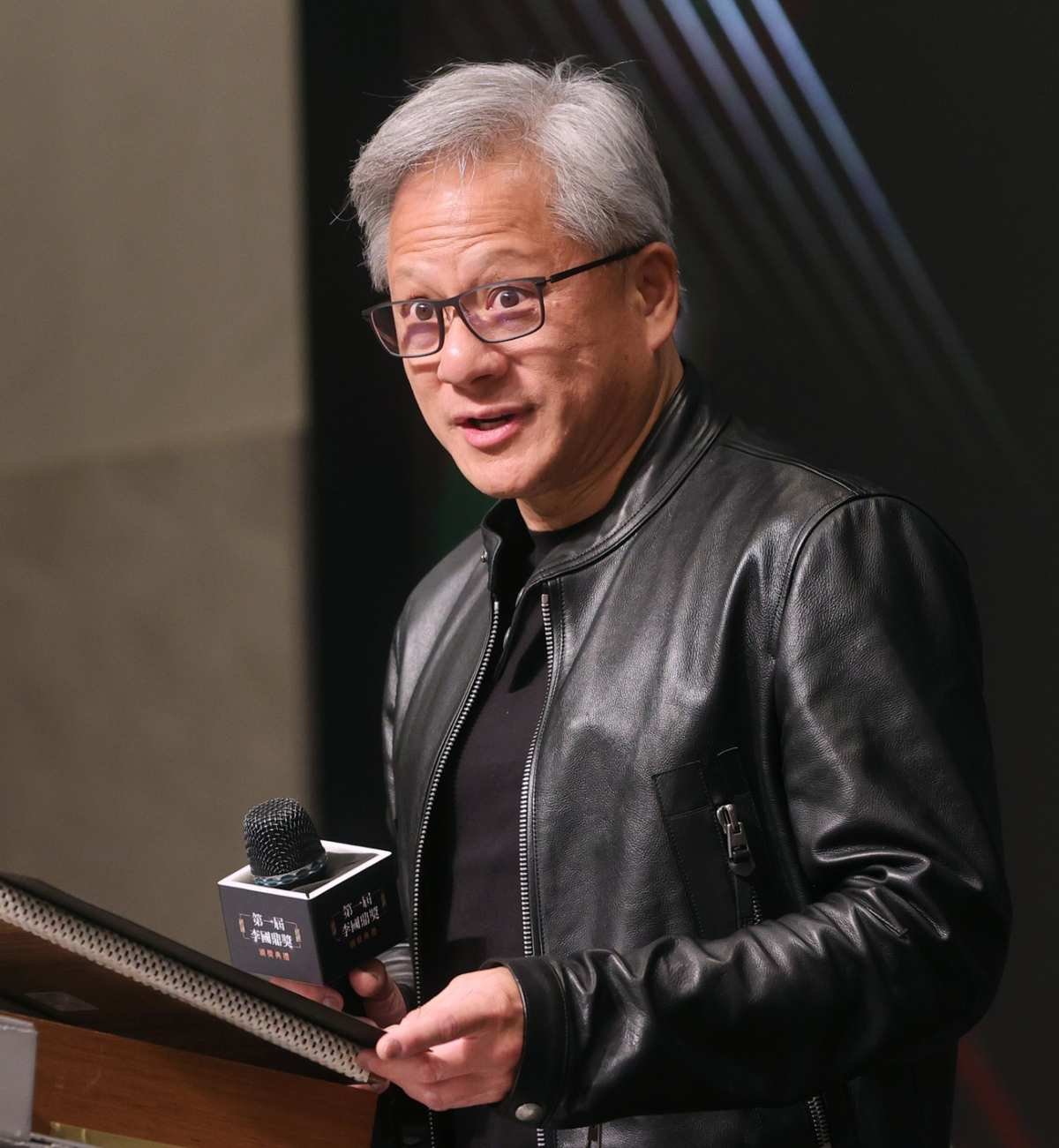
What Jensen Huang told Nvidia employees
According to reporting by The New York Times, The Guardian, The Hill, Wired, and other outlets that reviewed livestream or attendee accounts, Huang told staff:
- “I made some terrible mistakes.”
- He was unfaithful to his wife Lori, hurt his family, and hurt employees.
- Violating Nvidia’s code of conduct was “not acceptable.”
- He is attending therapy every day for about 90 minutes and says it is helping.
- He rejected the idea that he was reinstated simply because he is a “tech bro” above the rules.
- He disputed claims that political pressure alone forced the board’s hand, saying the board evaluated facts and national-security assurances.
The tone was somber. Several accounts described it as one of the hardest company meetings Huang has led—second only, he said, to conversations with his family.
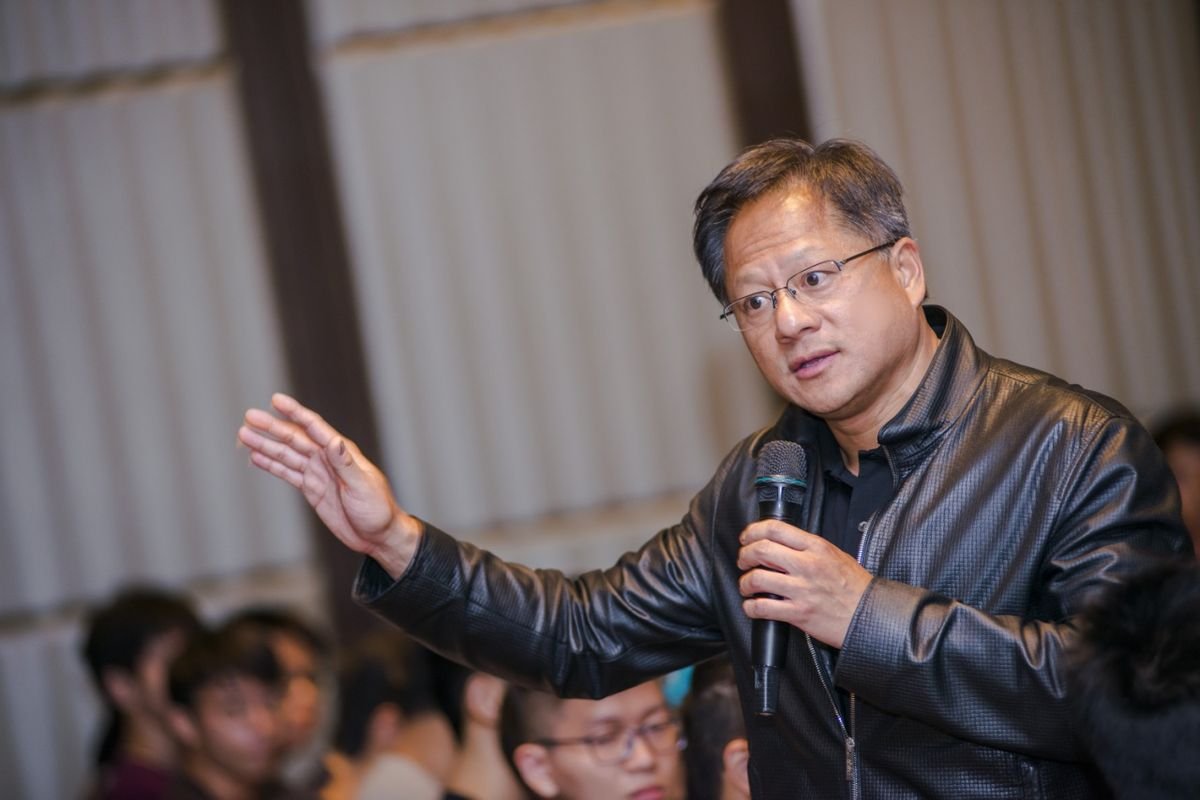
Context: why an apology was required
Huang had stepped aside earlier in November after reports of extramarital affairs, including relationships that raised code-of-conduct and national-security questions. Nvidia’s board then reinstated him on November 23 and stated it is confident the return poses no national security risk, while continuing independent investigations and adding compliance oversight.
Full background: Nvidia reinstates Jensen Huang as CEO — what “no national security risk” means.
An apology alone does not close investigations. It does, however, reset the internal narrative: the CEO publicly owned personal failure in front of the people who build Nvidia’s products.
Leadership analysis: apology, therapy, and workplace trust
1) Specific ownership beats vague regret
Huang named the harm (family, employees, code of conduct) rather than offering a generic “mistakes were made.” Specific ownership is more credible in high-trust technical cultures where employees own equity and expect candor.
2) Therapy as an accountability signal
Saying he is in daily therapy is unusual for a Fortune-level CEO all-hands. For many employees, it signals ongoing behavioral work rather than a one-day press statement. Leaders elsewhere should note the difference between performative apology and visible remediation.
3) Code of conduct applies at the top
Nvidia’s code discourages conflicts created by personal relationships. When the CEO admits a violation, middle managers watch closely: will standards be enforced evenly going forward? Boards that reinstate a CEO must pair that decision with stronger monitoring, or culture becomes optional.

What employees and managers should watch next
| Signal | Healthy sign | Warning sign |
|---|---|---|
| Investigation updates | Clear milestones; independent counsel retained | Silence or premature “case closed” |
| Compliance hiring | Credible Chief Compliance Officer appointed | Role delayed or under-powered |
| People metrics | Stable retention among senior engineers | Quiet attrition in critical AI teams |
| Partner diligence | Tighter export and relationship screening | Business-as-usual with weak controls |
| Internal messaging | Consistent facts across all-hands and filings | Contradictory narratives |
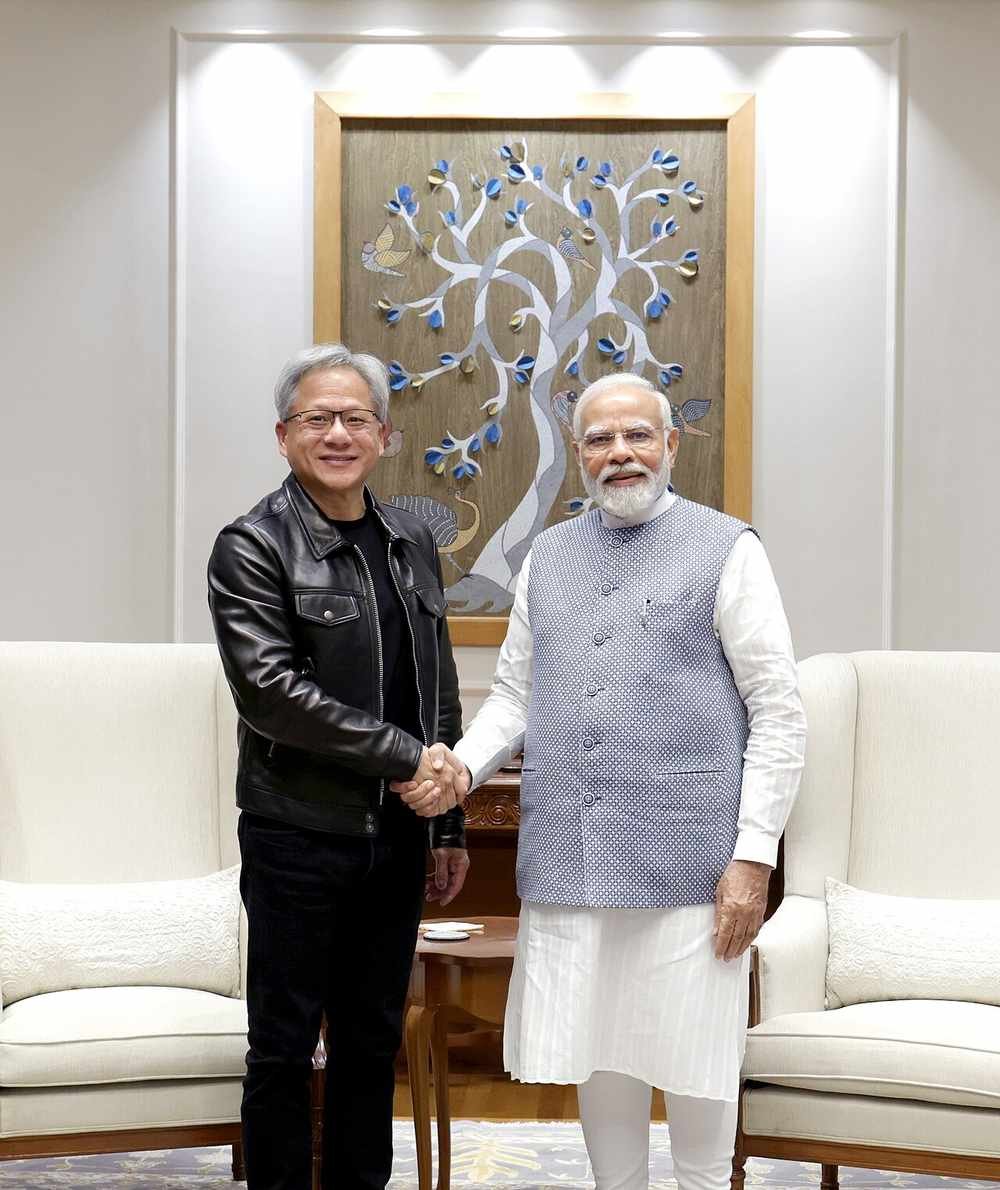
Career lessons from the Huang apology
- Personal risk is enterprise risk when you are the face of a platform company.
- Second chances require new controls—therapy, compliance roles, and board committees are part of the package, not extras.
- Communicate early to the people who still have to ship. Engineers and sales teams cannot wait for perfect legal language.
- Global teams need one factual story. Nvidia staff and partners span the US, Europe, Asia, and beyond; mixed messages travel fast on social media.
How managers can run a better apology conversation
Not every leader will face a public scandal, but many will face integrity failures on a smaller scale. A useful framework:
- State the facts without spin. Employees already have partial information from social media.
- Name who was harmed. Vague regret sounds like reputation management.
- Describe the remediation plan. Therapy, coaching, policy changes, or role adjustments should be concrete.
- Invite questions within bounds. Legal constraints are real; silence without explanation destroys trust.
- Follow up in writing. A short FAQ after an all-hands prevents rumor drift across time zones.
Huang’s remarks—owning unfaithfulness, code-of-conduct failure, and daily therapy—map to that framework even under extreme public pressure. Whether Nvidia’s culture fully recovers will depend on months of consistent action, not one meeting.
For broader professional development context, explore Information Blogger’s Business & Career category.
{
“@context”: “https://schema.org”,
“@type”: “NewsArticle”,
“headline”: “Jensen Huang Apologizes to Nvidia Employees and Says He Is in Therapy”,
“datePublished”: “2026-11-25”,
“dateModified”: “2026-11-25”,
“author”: {“@type”: “Organization”, “name”: “Information Blogger”},
“publisher”: {“@type”: “Organization”, “name”: “Information Blogger”, “url”: “https://informationblogger.com/”},
“mainEntityOfPage”: “https://informationblogger.com/jensen-huang-apologizes-to-nvidia-employees-therapy/”,
“about”: [“Jensen Huang”, “Nvidia”, “leadership apology”, “corporate culture”, “CEO accountability”],
“keywords”: “Jensen Huang apologizes to Nvidia employees, Jensen Huang therapy, Nvidia all-hands”
}
{
“@context”: “https://schema.org”,
“@type”: “FAQPage”,
“mainEntity”: [
{“@type”: “Question”, “name”: “Did Jensen Huang apologize to Nvidia employees?”, “acceptedAnswer”: {“@type”: “Answer”, “text”: “Yes. On November 24, 2026, Huang apologized in an all-hands meeting, saying he made terrible mistakes and hurt his family and employees.”}},
{“@type”: “Question”, “name”: “Is Jensen Huang in therapy?”, “acceptedAnswer”: {“@type”: “Answer”, “text”: “According to multiple news outlets that reviewed the meeting, Huang said he attends therapy every day for about 90 minutes and that it is helping.”}},
{“@type”: “Question”, “name”: “What code of conduct issue did he admit?”, “acceptedAnswer”: {“@type”: “Answer”, “text”: “Huang acknowledged violating Nvidia’s code of conduct related to personal relationships and said that was not acceptable.”}},
{“@type”: “Question”, “name”: “When was he reinstated as CEO?”, “acceptedAnswer”: {“@type”: “Answer”, “text”: “Nvidia’s board reinstated Huang as President and CEO on November 23, 2026, one day before the apology meeting.”}},
{“@type”: “Question”, “name”: “Does the apology end investigations?”, “acceptedAnswer”: {“@type”: “Answer”, “text”: “No. Nvidia says independent board investigations and compliance upgrades continue even after Huang’s return and apology.”}}
]
}
FAQs
Did Jensen Huang apologize to Nvidia employees?
Yes. On November 24, 2026, he apologized in an all-hands meeting, saying he made terrible mistakes and hurt his family and colleagues.
Is Jensen Huang in therapy?
News outlets that reviewed the meeting report he said he is in daily therapy for about 90 minutes and that it is helping.
What code of conduct issue did he admit?
He acknowledged violating Nvidia’s code of conduct around personal relationships and said that was not acceptable.
When was he reinstated as CEO?
November 23, 2026—one day before the apology all-hands.
Does the apology end investigations?
No. Board investigations and new compliance structures continue.
Sources: The Guardian, The Hill, The Straits Times, The Independent, Wired/NYT reporting on the Nov 24 all-hands; Nvidia Nov 23 reinstatement release. Photos: Wikimedia Commons with licenses noted in captions.


1 Comment