

Coronavirus symptoms include fever, cough, fatigue, and shortness of breath. Compare official guidance and know the emergency warning signs.

Coronavirus Symptoms: COVID-19 Signs and When to Get Care

- Updated:
- 4 minute read
- 0 Comments
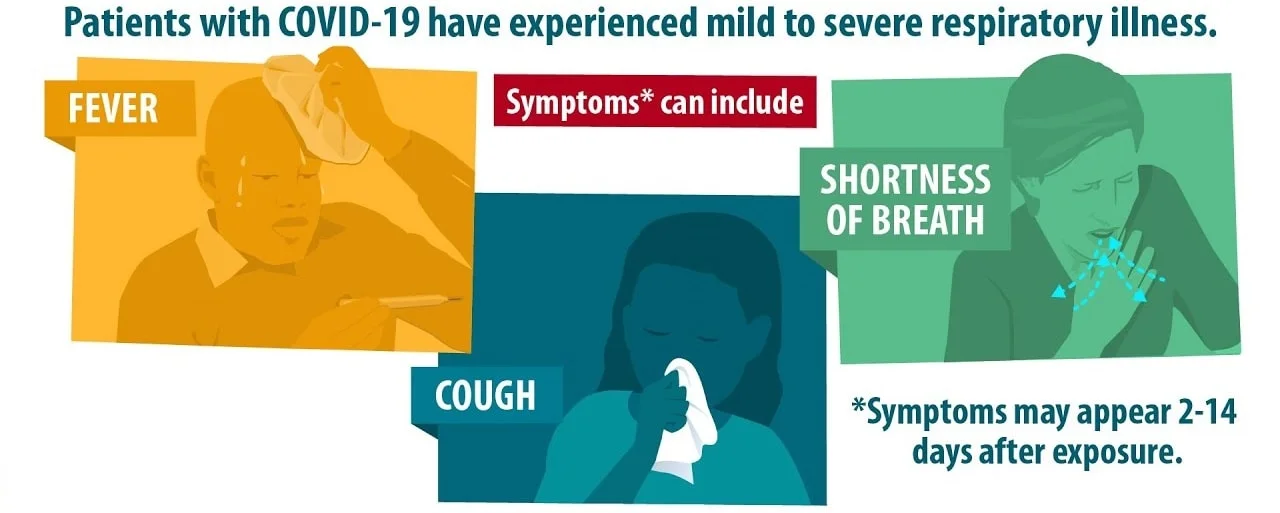
Coronavirus symptoms are the signs of COVID-19, the illness caused by the SARS-CoV-2 virus. They often include fever or chills, cough, sore throat, fatigue, headache, and shortness of breath. Symptoms can start 2 to 14 days after exposure, and they can stay mild or become severe. This guide follows public guidance used in the United States, the United Kingdom, Canada, Australia, and Europe.
Use this page to compare common coronavirus symptoms, know when to stay home, and recognize emergency warning signs. It is general information, not a diagnosis. If you feel seriously unwell, contact a doctor or local emergency service.
What coronavirus symptoms should you watch for?
The U.S. Centers for Disease Control and Prevention lists a wide set of possible coronavirus symptoms. The list does not cover every case, and newer variants can shift which signs are most common.
- Fever or chills
- Cough
- Shortness of breath or difficulty breathing
- Sore throat
- Congestion or a runny nose
- New loss of taste or smell
- Fatigue
- Muscle or body aches
- Headache
- Nausea, vomiting, or diarrhea
However, you cannot tell COVID-19 from flu or RSV by symptoms alone. A viral test is the reliable way to confirm an infection. Public health agencies in the UK, Canada, Australia, and the EU give the same core message: test when you can, and protect people who are at higher risk.
How coronavirus symptoms differ by country guidance
The illness is the same virus worldwide. What changes is how each health system tells you to respond.
| Region | Where to check | Practical next step |
|---|---|---|
| United States | CDC symptom page | Stay home if you are sick. Seek care quickly if you have risk factors for severe illness. |
| United Kingdom | NHS COVID-19 symptoms | Follow NHS advice on testing, staying away from others, and when to call 111 or 999. |
| Canada | Public Health Agency of Canada | Use provincial guidance, because testing and isolation rules are set locally. |
| Australia | Healthdirect COVID-19 symptoms | Follow state health advice and ask a GP if symptoms worry you. |
| Europe | Your national health ministry and the ECDC | Rules differ by country. Use the health service where you are staying. |
For example, a traveler from Toronto to London should follow NHS steps while in the UK, then Canadian advice after returning home. Therefore, bookmark the official page for the country you are in, not a social post from another region.
When coronavirus symptoms need emergency care
Most people improve at home. Some do not. The CDC lists emergency warning signs that need immediate help. Call your local emergency number, such as 911 in the US and Canada, 999 in the UK, or 000 in Australia, and say the person may have COVID-19.
- Trouble breathing
- Persistent pain or pressure in the chest
- New confusion
- Inability to wake or stay awake
- Pale, gray, or blue lips, nail beds, or skin, depending on skin tone
Also get prompt medical advice, not just home rest, if you are older, pregnant, immunocompromised, or living with heart, lung, or metabolic disease. Age remains one of the strongest risks for severe COVID-19. In addition, people can develop Long COVID, with symptoms that last for months. That is another reason to take a new infection seriously even when the first days feel mild.
Watch: CDC overview of coronavirus symptoms
This CDC video walks through the main signs. Pair it with the current written list above, because symptom emphasis has shifted since early in the pandemic.
What to do in the first day of coronavirus symptoms
Stay home and away from people you live with when your symptoms are not explained by another cause. Rest, drink fluids, and ask a pharmacist or clinician before starting any new medicine, especially if you take other drugs.
Also tell close contacts if you test positive, so they can watch their own health. In addition, improve airflow in shared rooms and clean high-touch surfaces. These steps matter in apartments in New York, flats in Manchester, and family homes in Sydney alike.
If you want a wider look at prevention habits, read why regular health screenings matter and why heart health changes your risk.
What families in different countries can do the same day
A household in Ohio, a flat in Manchester, a family in Vancouver, and a share house in Melbourne can follow the same first steps. Stay home if a new cough, fever, or unusual fatigue is not explained by another illness. Open a window. Keep a simple note of when symptoms started, because that 2 to 14 day window helps a clinician decide on testing.
Also check the official page for the country you are in before you travel. A reader flying from Canada to Europe should not assume the airline or the destination uses US isolation advice. The emergency signs stay the same: trouble breathing, chest pressure, new confusion, or a change in color of the lips or skin. Those signs mean local emergency care, not a blog post.
In addition, tell close contacts if a test is positive so they can watch their own health. That single message prevents more confusion than any supplement claim. If you want a wider health habit to pair with this, regular checkups are covered in the screening guide linked above.
Coronavirus symptoms questions people ask
How soon do coronavirus symptoms start?
They usually appear 2 to 14 days after exposure. Some people never feel sick and can still pass the virus on.
Can coronavirus symptoms be only a sore throat?
Yes. A sore throat, runny nose, or fatigue can be the main sign. Loss of taste or smell is less common than it was early in the pandemic, but it still happens.
Are coronavirus symptoms the same as flu symptoms?
They overlap. Fever, cough, and body aches occur in both. Only a test can separate COVID-19 from flu or another respiratory virus.
Should travelers in Europe follow US symptom rules?
Use the emergency signs as a medical warning wherever you are. For testing, isolation, and treatment access, follow the health service of the country you are in.

Leave a Comment