

How to get better coverage with Huda Beauty FauxFilter foundation: shade tips, finish, application, and who this full-coverage formula suits.
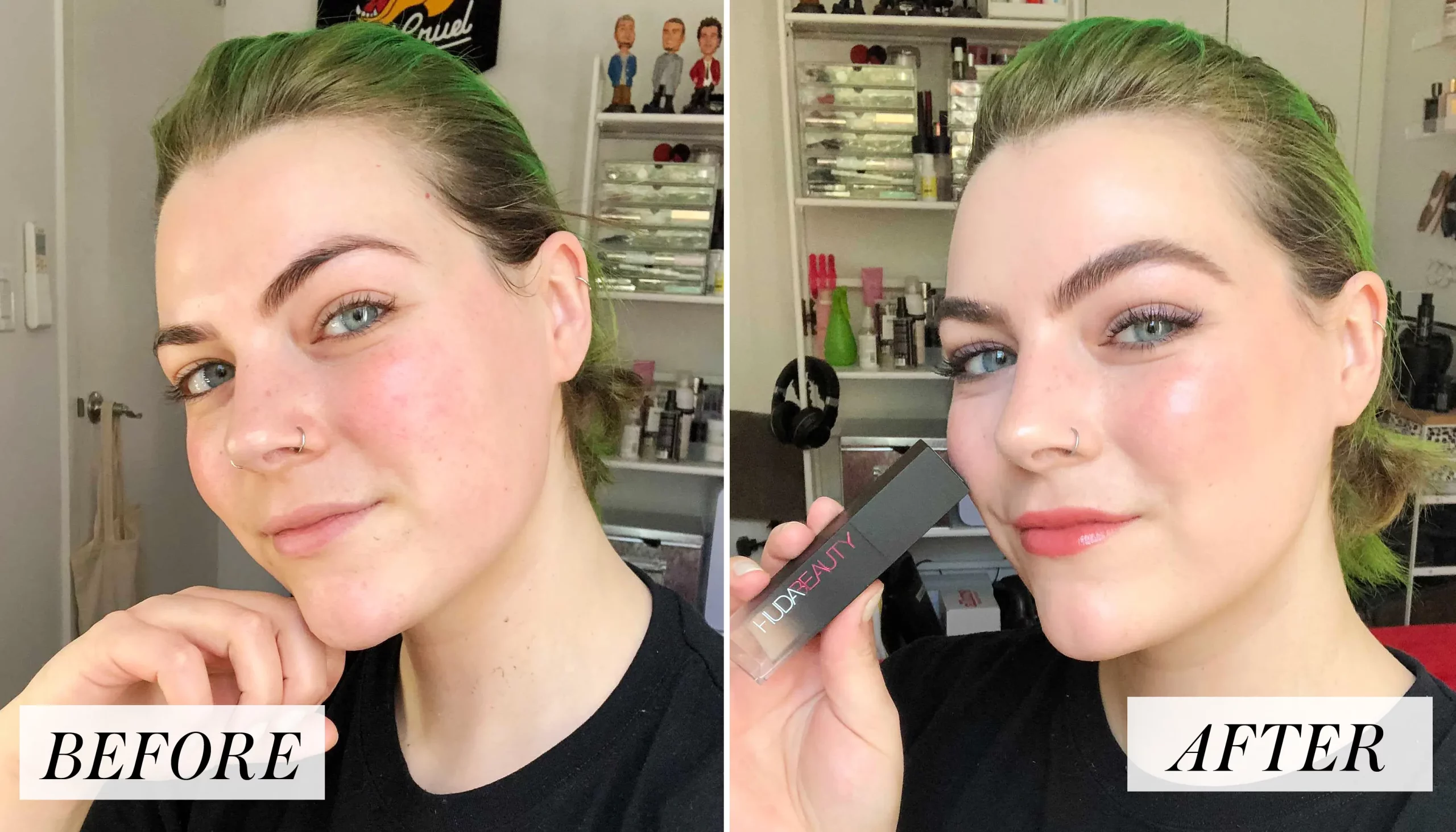
Huda Beauty FauxFilter Foundation
How to Get Better Coverage with Huda Beauty FauxFilter

- Updated:
- 4 minute read
- 0 Comments
Huda Beauty FauxFilter foundation is a full-coverage, long-wear liquid foundation known for a soft-matte finish and a wide shade range. People reach for it when they want skin that looks even in photos and through a long workday. It is not a sheer skin tint. If you prefer a barely-there finish, a lighter formula will suit you better.
This guide covers shade selection, application, and who the formula serves for readers in the United States, Canada, the United Kingdom, Australia, and Europe. Product lines change; check the current shade map on the brand site before you buy.
What FauxFilter is designed to do
FauxFilter aims for high coverage of discoloration and marks while keeping a smoothed, camera-friendly surface. The texture is typically thicker than drugstore tints. A little product goes far. Over-applying can look heavy, especially under bright office lights.
Long-wear claims depend on skin type, primer, climate, and setting. Humidity in Florida or Singapore tests any matte foundation. Dry winters in Toronto or London may need extra moisturiser underneath.
Shade and undertone tips
- Match jawline light, not only the hand
- Check cool, warm, and olive undertones in daylight
- When between shades, many people prefer the lighter one and bronze later
- Use brand finders and retailer samples when available
- Photograph swatches in indoor and outdoor light
| Skin need | Approach with FauxFilter |
|---|---|
| Oily T-zone | Light layers; set with powder; blot midday |
| Dry patches | Moisturise well; spot-conceal instead of full thick layers |
| Texture concerns | Avoid packing product into dry flakes |
| Deep shades | Confirm undertone; ask for mixes if a retailer offers them |
Application that looks more like skin
Start with skincare that has absorbed. Use a pump sparingly. Press with a damp sponge or brush, then build only where needed. Set the center of the face if you get shiny. Clean tools so patchy application does not get blamed on the formula alone.
Also pair with a matching concealer rather than using foundation as eye product. Heavy product on lids creases faster.
Who may want a different foundation
If you want a natural no-makeup look, choose a skin tint. If you have very dry skin that pills with matte formulas, test carefully. Sensitive skin should patch test. Check ingredient lists if you avoid certain fragrance components.
Related beauty reading: ingredients to watch in cosmetics and another longwear foundation comparison on this site.
Buying and authenticity
Buy from the brand or authorised retailers in your country. Deep-discount grey market bottles may be old or counterfeit. Check batch codes and packaging quality. Return policies differ in the US, UK, and EU – keep receipts.
In addition, store the bottle capped and away from heat. Foundations separate when left in a hot car in Australian summers or US sunbelts.
Wear tests across a full day
Apply FauxFilter as you would for work, then check at lunch and evening in the same light. Note flashback in phone photos. Blot rather than stack powder if you go shiny. If the finish cakes around the mouth, reduce product and add balm only at the center of lips after foundation. Keep a mini sponge for touch-ups instead of adding thick layers.
Compare against a mid-coverage foundation on alternate days. Honesty beats loyalty to a bottle that fights your climate. Huda Beauty FauxFilter foundation rewards thin building. Travel with decanted product in clear bags for airport rules in the US and EU.
Putting the advice into a 30-day routine
Week one is for baselines. Write what you do today without judgment: drinks, sleep, rides, posts, rideshare trips, skincare steps, or research sources you already trust. Week two is for one change only. People fail when they rebuild an entire life on a Monday. Week three is for measuring. Use a note on your phone with three numbers that matter for this topic, such as sugar grams, water bottles, ride hours, or hashtag clicks. Week four is for editing the plan. Keep what worked in the United States winter as carefully as what worked in an Australian summer, because climate and schedules differ.
Share the plan with one other person when habits involve households, dogs, teams, or clinics. Accountability is not nagging when it is specific. Ask a pharmacist, trainer, or colleague only for the slice they know. Ignore comment sections that promise overnight transformation. Search rankings and health markers both move with boring consistency. If you travel between the UK and the EU, or between Canada and the US, pack the portable version of the habit: a bottle, a checklist, a saved offline ticket, or a downloaded article from a trusted .gov or .nhs source.
Review official guidance quarterly because recommendations update. Replace screenshots with links. When an influencer contradicts a national health institute or a primary regulator, prefer the institute. Teach teenagers in the home the same rule so viral charts do not override labels and clinical advice. Finally, write a short “stop rule”: the point at which you will see a professional rather than invent another DIY layer. That stop rule is part of being informed, not a failure of willpower.
Common mistakes to avoid
The first mistake is collecting tips without scheduling them. A saved post does nothing until it sits on a calendar. The second mistake is changing five variables at once so you cannot tell what helped. The third mistake is trusting a single anecdote over repeated measurements. The fourth mistake is ignoring local rules: advertising claims, cosmetic labels, clinical red flags, and platform policies differ across the United States, Canada, the United Kingdom, Australia, and Europe.
Use checklists. Write the three actions for this week on paper. Cross them off. When something fails, adjust the size of the action rather than quitting entirely. Small water bottles beat abandoned gallon challenges. Short training sessions beat skipped weekends. Thin foundation layers beat caked makeup. Accurate court timelines beat dramatic headlines. That pattern of modest, checkable steps is what produces durable results and clearer content for readers who find this page through search.
Questions about Huda Beauty FauxFilter foundation
Is FauxFilter good for oily skin?
Many oily-skin users like the matte lean, if they use thin layers and powder. Always patch and test wear time.
Does it work for dry skin?
It can with strong moisturising prep. Spot coverage may look better than a full mask.
How do I stop it looking cakey?
Use less product, moisturise, and press rather than wipe. Exfoliate gently if flakes catch product.
Is it cruelty-free?
Check Huda Beauty’s current cruelty-free and ingredient statements; policies can update.


Leave a Comment