

How to avoid hidden harmful ingredients in cosmetics by reading labels, knowing restricted substances, and choosing safer everyday products.

How to Avoid Hidden Harmful Ingredients in Cosmetics

- Updated:
- 4 minute read
- 0 Comments
Harmful ingredients in cosmetics are substances regulators restrict, ban, or advise limiting because of irritation, allergy, or long-term risk concerns. Not every scary social-media list is accurate. The practical skill is reading labels, knowing your region’s rules, and patch testing new products.
This guide is general information for shoppers in the United States, Canada, the United Kingdom, Australia, and Europe. It is not a full toxicology review.
Why lists differ by country
The EU Cosmetic Regulation maintains extensive annexes of banned and restricted substances. The UK largely follows a similar framework post-Brexit with its own updates. The US FDA bans fewer ingredients by comparison and relies more on specific rules and industry practice. Canada publishes hotlists. Australia regulates through NICNAS/AICIS frameworks for chemicals. A product legal in one market may need reformulation in another.
Check official pages rather than screenshots. Rules change.
Ingredient groups people often watch
- Fragrance mixes that trigger contact allergy
- Certain preservatives that release formaldehyde
- Some hair-dye intermediates that need strict instructions
- High-dose essential oils that irritate skin
- Outdated lead-contaminated color cosmetics from unregulated sellers
| Shopper goal | Action |
|---|---|
| Fewer fragrances | Choose products labeled fragrance-free (not only unscented) |
| Acne-prone skin | Patch test oils and heavy silicones |
| Pregnancy questions | Ask a clinician about personal product lists |
| Kids’ products | Prefer simpler formulas; keep away from eyes |
How to read an INCI list
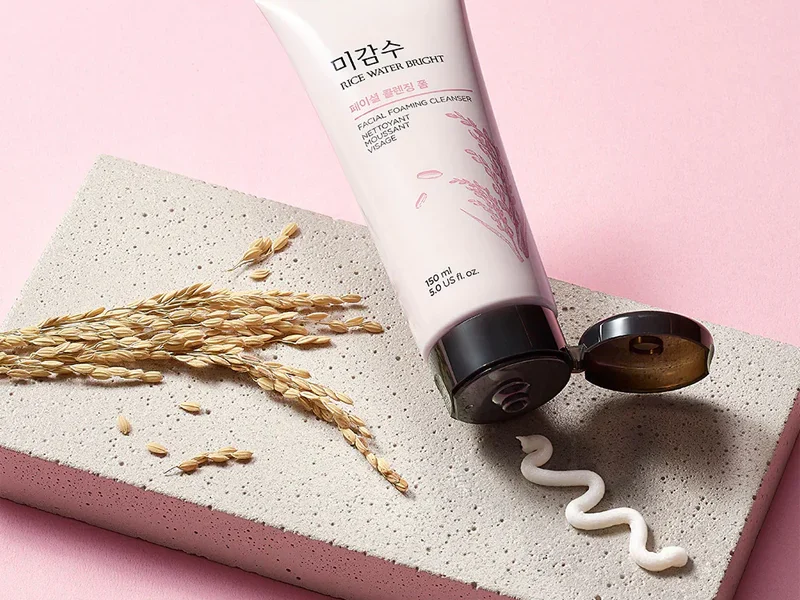
Ingredients appear in descending concentration down to 1%, then often any order below that. Latin plant names and chemical names look intimidating. Apps can help, but verify against official sources. “Clean” is a marketing word, not a legal standard in most places.
However, natural does not mean safe. Poison ivy is natural. Concentration and dose matter.
Smarter shopping habits
Buy from reputable retailers. Avoid miracle pastes sold only through unverified social shops. Check expiry and PAO (period after opening) symbols. Store products away from heat.
Related reading: foundation shopping tips and face care claims to treat carefully.
When to see a dermatologist
Rashes, swelling, or breathing difficulty after a product need urgent care. Chronic eyelid dermatitis often links to cosmetics – bring the products to your appointment.
Also be skeptical of detox claims. Skin is not a landfill that needs a weekly purge product.
Building a shorter, safer routine
Fewer products mean fewer overlapping actives and fewer reactions. A cleanser, moisturiser, sunscreen, and one treatment are enough for many people. Introduce new bottles one at a time. Photograph ingredient lists so you can compare in the store aisle. Harmful ingredients in cosmetics debates become easier when your shelf is small enough to audit twice a year.
Putting the advice into a 30-day routine
Week one is for baselines. Write what you do today without judgment: drinks, sleep, rides, posts, rideshare trips, skincare steps, or research sources you already trust. Week two is for one change only. People fail when they rebuild an entire life on a Monday. Week three is for measuring. Use a note on your phone with three numbers that matter for this topic, such as sugar grams, water bottles, ride hours, or hashtag clicks. Week four is for editing the plan. Keep what worked in the United States winter as carefully as what worked in an Australian summer, because climate and schedules differ.
Share the plan with one other person when habits involve households, dogs, teams, or clinics. Accountability is not nagging when it is specific. Ask a pharmacist, trainer, or colleague only for the slice they know. Ignore comment sections that promise overnight transformation. Search rankings and health markers both move with boring consistency. If you travel between the UK and the EU, or between Canada and the US, pack the portable version of the habit: a bottle, a checklist, a saved offline ticket, or a downloaded article from a trusted .gov or .nhs source.
Review official guidance quarterly because recommendations update. Replace screenshots with links. When an influencer contradicts a national health institute or a primary regulator, prefer the institute. Teach teenagers in the home the same rule so viral charts do not override labels and clinical advice. Finally, write a short “stop rule”: the point at which you will see a professional rather than invent another DIY layer. That stop rule is part of being informed, not a failure of willpower.
Common mistakes to avoid
The first mistake is collecting tips without scheduling them. A saved post does nothing until it sits on a calendar. The second mistake is changing five variables at once so you cannot tell what helped. The third mistake is trusting a single anecdote over repeated measurements. The fourth mistake is ignoring local rules: advertising claims, cosmetic labels, clinical red flags, and platform policies differ across the United States, Canada, the United Kingdom, Australia, and Europe.
Use checklists. Write the three actions for this week on paper. Cross them off. When something fails, adjust the size of the action rather than quitting entirely. Small water bottles beat abandoned gallon challenges. Short training sessions beat skipped weekends. Thin foundation layers beat caked makeup. Accurate court timelines beat dramatic headlines. That pattern of modest, checkable steps is what produces durable results and clearer content for readers who find this page through search.
Keep a short written checklist on your phone titled with today’s date so the habit survives busy weeks, travel across time zones, and family schedules that differ between households in the US, UK, Canada, Australia, and Europe. Review it every Sunday night and replace any step that you skipped twice with a smaller version you can finish in ten minutes.
That small weekly edit keeps the plan honest and unfinished tasks visible.
Questions about harmful ingredients in cosmetics
Are parabens always banned?
No. Some parabens are restricted or debated; rules depend on the substance and region. Check current annexes.
Is fragrance the same as essential oils?
Fragrance can include many allergens. Essential oils are specific plant oils that can still irritate.
Do I need toxin-free marketing?
Prefer transparent INCI lists and reputable brands over buzzwords.
Can I trust influencer ingredient charts?
Only if they cite primary regulators. Many charts oversimplify.


Leave a Comment