

How to remove upper lip hair at home for better results with waxing, threading, and creams, plus safety tips before you start.
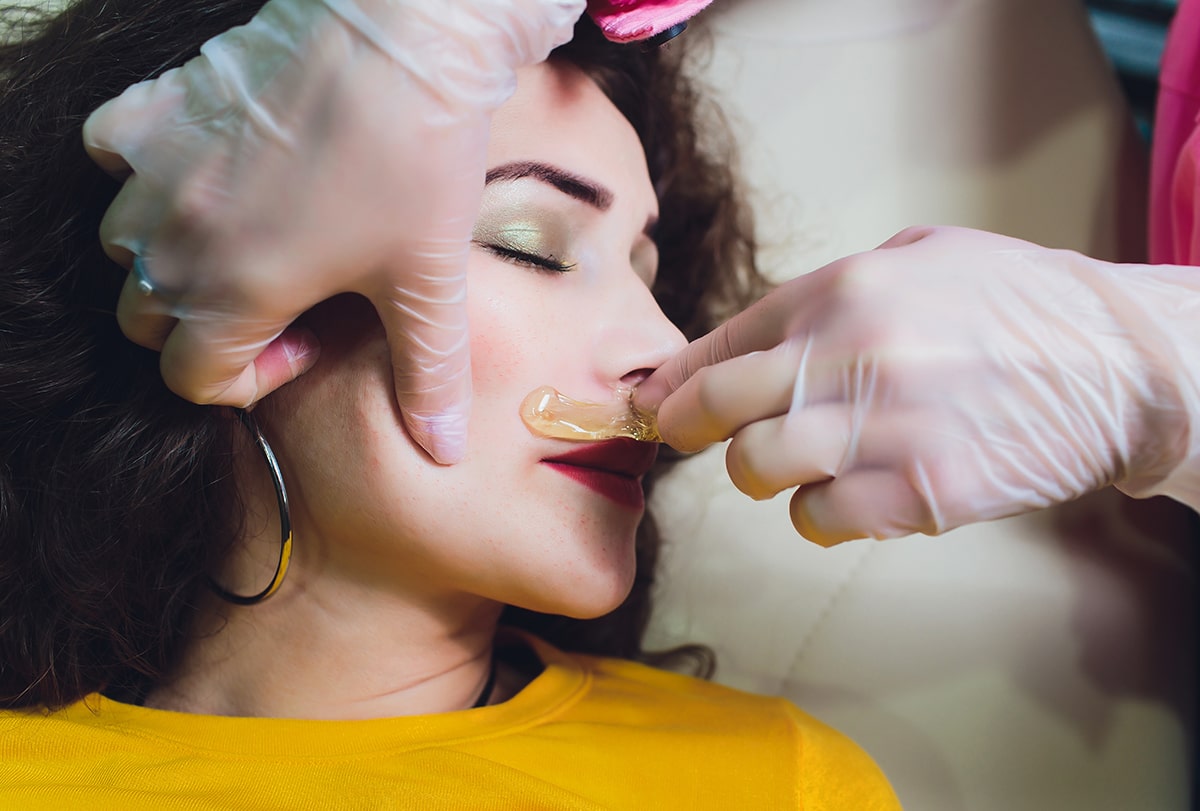
How To Remove Upper Lip Hair At Home
How to Remove Upper Lip Hair at Home for Better Results

- Updated:
- 4 minute read
- 0 Comments
Remove upper lip hair at home with methods that match your pain tolerance, skin sensitivity, and how long you want results to last. Waxing, threading, depilatory creams, and careful shaving each trade speed for longevity. Patch test new chemicals. Stop if you see severe irritation.
This is general beauty information for adults in the United States, Canada, the United Kingdom, Australia, and Europe. It is not medical advice. See a dermatologist for persistent facial hair concerns, especially if you notice sudden changes.
Method comparison
| Method | Lasts roughly | Notes |
|---|---|---|
| Threading | 1 to 3 weeks | Precise; learning curve |
| Waxing | 2 to 4 weeks | Warm or cold strips; avoid broken skin |
| Depilatory cream | Days to 2 weeks | Follow timing exactly; ventilate |
| Shaving | 1 to 3 days | Does not make hair thicker; stubble returns |
| Epilator | Weeks | Can sting on face; go gently |
Safety rules before you start
- Do not wax over cold sores, eczema flares, or sunburns
- Skip retinoids and strong acids for a few days before waxing if your derm agrees
- Clean skin; work in good light
- Have aloe or a bland moisturiser ready
- Never share razors
Waxing and threading at home
For wax, follow the kit temperature rules. Pull parallel to the skin, not up toward the ceiling. Threading takes practice – many people prefer a salon for the lip. Aftercare: cool water, light moisturiser, no scrub for a day.
However, if you use prescription acne creams, ask a clinician before waxing. Skin can lift.
Creams and shaving
Depilatory creams dissolve hair. Timing matters. A minute too long can burn. Do a patch test on the jaw first. Shaving is valid. Use a clean facial razor, shave with the grain first, and moisturise. Myths about thicker hair after shaving are not how hair biology works – cut ends feel blunt.
Related reading: cosmetic ingredients to watch and facial grooming tips.
When to see a professional
Sudden chin and lip hair growth can relate to hormones. A GP or dermatologist can evaluate. Laser and electrolysis are clinic options for longer reduction. Costs and session counts vary by country and skin-hair contrast.
Also avoid unlicensed home laser gadgets that promise salon results without evidence.
Aftercare and makeup timing
Wait before applying foundation over freshly waxed skin. Use fragrance-free moisturiser. Avoid hot yoga immediately after aggressive removal. If you remove upper lip hair at home before an event, do it two days prior so redness settles. Keep tweezers for stray hairs only. Schedule salon threading before important photos if your own technique is inconsistent.
Putting the advice into a 30-day routine
Week one is for baselines. Write what you do today without judgment: drinks, sleep, rides, posts, rideshare trips, skincare steps, or research sources you already trust. Week two is for one change only. People fail when they rebuild an entire life on a Monday. Week three is for measuring. Use a note on your phone with three numbers that matter for this topic, such as sugar grams, water bottles, ride hours, or hashtag clicks. Week four is for editing the plan. Keep what worked in the United States winter as carefully as what worked in an Australian summer, because climate and schedules differ.
Share the plan with one other person when habits involve households, dogs, teams, or clinics. Accountability is not nagging when it is specific. Ask a pharmacist, trainer, or colleague only for the slice they know. Ignore comment sections that promise overnight transformation. Search rankings and health markers both move with boring consistency. If you travel between the UK and the EU, or between Canada and the US, pack the portable version of the habit: a bottle, a checklist, a saved offline ticket, or a downloaded article from a trusted .gov or .nhs source.
Review official guidance quarterly because recommendations update. Replace screenshots with links. When an influencer contradicts a national health institute or a primary regulator, prefer the institute. Teach teenagers in the home the same rule so viral charts do not override labels and clinical advice. Finally, write a short “stop rule”: the point at which you will see a professional rather than invent another DIY layer. That stop rule is part of being informed, not a failure of willpower.
Common mistakes to avoid
The first mistake is collecting tips without scheduling them. A saved post does nothing until it sits on a calendar. The second mistake is changing five variables at once so you cannot tell what helped. The third mistake is trusting a single anecdote over repeated measurements. The fourth mistake is ignoring local rules: advertising claims, cosmetic labels, clinical red flags, and platform policies differ across the United States, Canada, the United Kingdom, Australia, and Europe.
Use checklists. Write the three actions for this week on paper. Cross them off. When something fails, adjust the size of the action rather than quitting entirely. Small water bottles beat abandoned gallon challenges. Short training sessions beat skipped weekends. Thin foundation layers beat caked makeup. Accurate court timelines beat dramatic headlines. That pattern of modest, checkable steps is what produces durable results and clearer content for readers who find this page through search.
Keep a short written checklist on your phone titled with today’s date so the habit survives busy weeks, travel across time zones, and family schedules that differ between households in the US, UK, Canada, Australia, and Europe. Review it every Sunday night and replace any step that you skipped twice with a smaller version you can finish in ten minutes.
Patch-test any cream on the inner arm a day before the lip if you have sensitive skin. Stop if you see swelling, blistering, or intense burning. After any method, keep the area clean and avoid heavy makeup for a few hours. If hair grows back darker or thicker after waxing, that is usually the hair cycle you notice more clearly, not a permanent change in the follicle. Consistency and gentle aftercare matter more than aggressive daily pulling.
Questions about removing upper lip hair at home
Does shaving make lip hair thicker?
No. The hair tip feels stubbly because it is blunt, not because more follicles grew.
How often can I wax?
Wait until hair is long enough to grip, often 2 to 3 weeks. Skin needs recovery time.
What if I get bumps?
Keep the area clean, avoid picking, and use a bland moisturiser. See a clinician for infection signs.
Is bleaching enough?
Bleaching hides color but does not remove hair. Patch test bleach products carefully.




Leave a Comment